Remember when shipping an app meant months of coding, debugging, and praying your launch didn’t coincide with an iOS update that broke everything? Those days aren’t quite gone, but they’re fading fast. Thanks to AI-assisted development tools like Cursor, Bolt, Replit, and a growing army of ‘vibecoding’ platforms, the barrier to building has dropped dramatically.
Andrej Karpathy coined the term ‘vibe coding’ in early 2025 to describe a workflow where you guide an AI tool to generate code through conversation, rather than writing it line by line. In its purest form, you can almost “forget that the code even exists”.
This is genuinely exciting: more people can build. More ideas can ship. The app stores are about to get a lot more crowded..
But here’s the thing nobody’s talking about enough: if everyone can build, then building isn’t the competitive advantage anymore. The new moats are having a great idea and getting it in front of people who want it. And there’s a shortcut to both that smart developers (and smart creators) are starting to figure out.
The influencer app playbook isn’t new, but it’s never been more relevant
Cast your mind back to 2014. Kim Kardashian partnered with Glu Mobile to launch Kim Kardashian: Hollywood, a freemium game where players climb the celebrity ladder through fashion choices, relationships, and strategic selfies. The gaming press was skeptical. The app world shrugged. Then it made $1.6 million in its first five days. By the end of 2014, it had generated over $43 million in revenue. At its peak, the game was pulling in $700,000 per day.
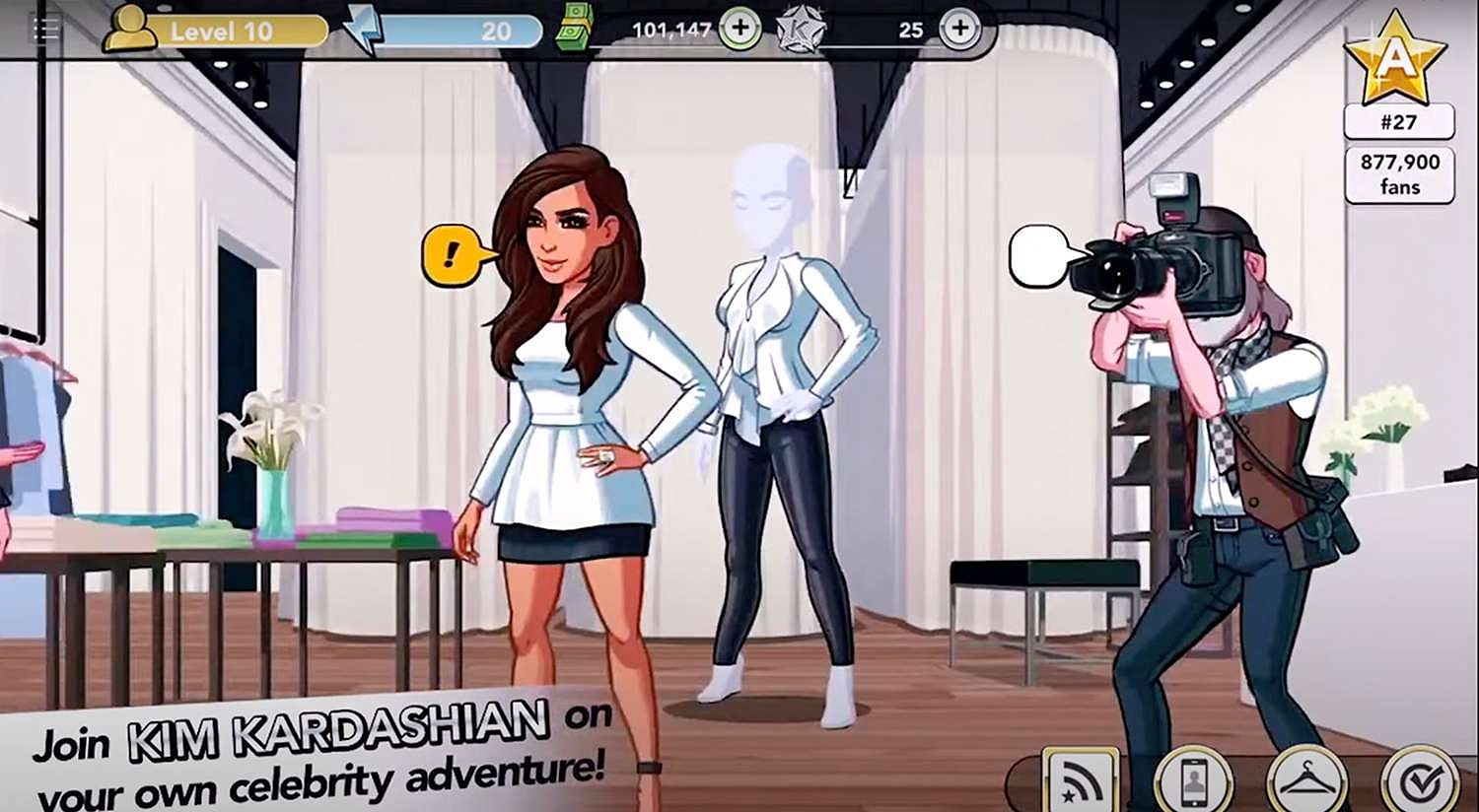
The game wasn’t revolutionary from a mechanics standpoint. It was a narrative dress-up game with energy timers and premium currency. What made it work was that Kim Kardashian had 25 million Instagram followers at launch (she’s now north of 360 million), and her audience was exactly the demographic that would love a game about becoming famous. The distribution was built in. The idea was validated by the audience that already existed.
That playbook has only gotten more sophisticated since then.
From Hollywood to your home screen
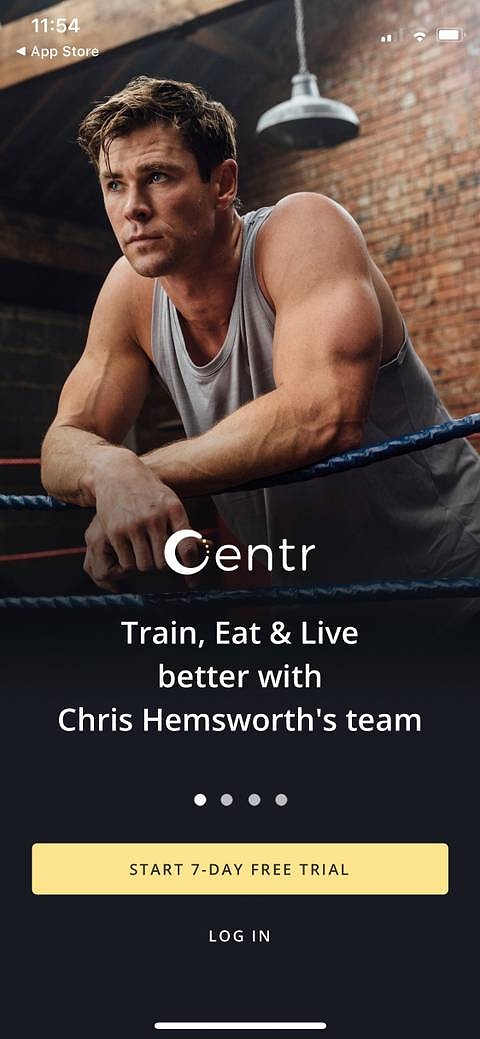
Chris Hemsworth launched Centr in 2019, a premium wellness app featuring workouts, meal plans, and mindfulness content from a hand-picked team of elite trainers. It wasn’t just “Thor tells you to do pushups”. It was (is) a genuinely comprehensive fitness platform with cinematic production values. But the reason it could command premium subscription pricing from day one was that Chris Hemsworth’s 60+ million Instagram followers already trusted him on fitness. The app didn’t need to convince anyone that the guy who got jacked for Marvel movies knew something about working out.
Arnold Schwarzenegger took a similar approach with the Pump Club app, packaging 50+ years of fitness expertise into daily workouts, nutrition guidance, and habit-building tools. Conor McGregor’s FAST app sells the same conditioning protocols he uses in fight camps.
The pattern is clear: take an existing audience that trusts you on a topic, then give them a product that serves that trust. But it’s not just A-list celebrities anymore.
The creator economy meets the app economy
The really interesting shift is happening with creators who aren’t household names, but have built dedicated audiences in specific niches.
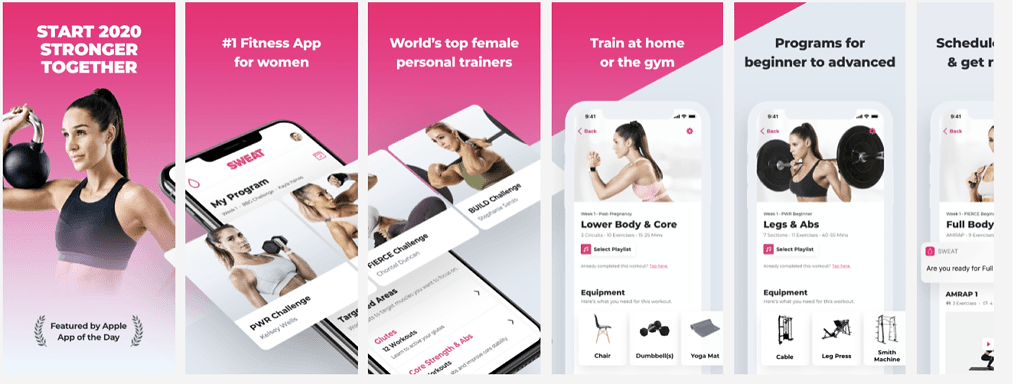
Kayla Itsines built her following on Instagram with ‘Bikini Body Guide’ workout programs. When she launched the Sweat app, she had a direct line to millions of people who had already done her workouts via PDF. The app reportedly sold for around $400 million in 2021. That’s not celebrity money. That’s creator-to-app-founder money.
Likewise, Chloe Ting went viral on YouTube with free workout challenges that racked up hundreds of millions of views. Her app translates those viral programs into structured plans with calendars, timers, and progress tracking. Her 25+ million YouTube subscribers didn’t need to be convinced that her workouts were effective — they’d already sweated through them.
And then there’s Hank Green.
When your audience IS your product insight
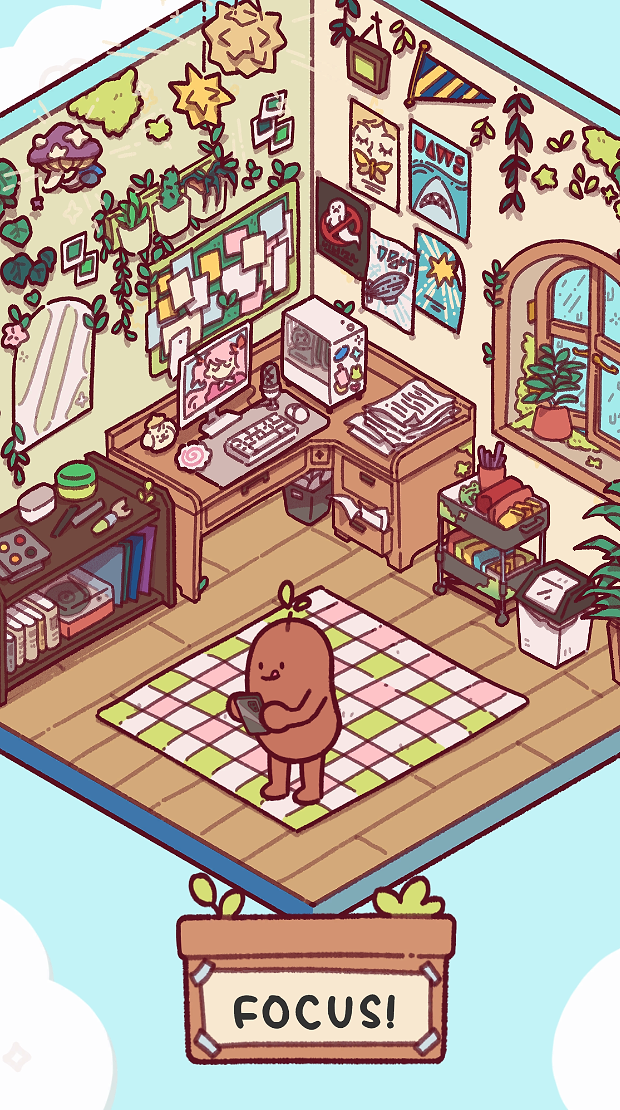
Hank Green (of VlogBrothers, Crash Course, and SciShow fame) launched Focus Friend in 2025: a cozy, gamified focus timer designed to help people with ADHD actually get things done. It features a ‘Bean Friend’ character that focuses when you focus, turning productivity into something closer to a Tamagotchi than a stern Pomodoro timer.
The app hit #1 in the US App Store. Above ChatGPT. Above TikTok. Above Instagram.
What makes Focus Friend interesting isn’t just that Hank Green has millions of followers (he does). It’s that he’s been openly discussing his own ADHD for years. His audience includes a massive number of people who relate to that experience. When he built an app to solve a problem he personally has, he was also building for an audience that had self-selected around that exact problem.
This is the real insight: creators don’t just bring distribution. They bring validated demand. They’ve spent years learning what their audience struggles with; what they want — what they’ll pay for. That’s market research that most app developers would kill for, and creators have it for free.
The two-sided opportunity
So what does this mean for you?
If you’re a developer who can build, but struggles with ideas or distribution, consider this: somewhere out there is a creator with an engaged audience and a problem worth solving, but no technical skills to build the solution. That’s a partnership waiting to happen. You bring the building. They bring the audience and the insight. You both bring the upside.
If you’re a creator sitting on an audience that trusts you, consider this: the technical barrier to building an app has never been lower. You don’t need to learn to code (though you can vibecode easily enough if you want to). You need to identify the problem your audience would pay to solve, then find a builder who can make it real. Or use the new AI tools to prototype something yourself and see if it resonates.
The best apps in this model aren’t vanity projects or cash grabs. They’re genuine solutions to problems the creator understands deeply because they’ve been talking to (and often experiencing alongside) their audience for years.
What’s next
We’ve been thinking a lot about this intersection of creators, builders, and audiences at RevenueCat. The explosion of AI-assisted development tools means more apps will ship in 2026 than ever before. But the apps that break through — the ones that find real users and generate real revenue — will increasingly be the ones that start with distribution and work backward to the product.
In the meantime, if you’re a developer looking for your next project, maybe spend less time on Product Hunt and more time in the comments of your favorite creators. And if you’re a creator wondering whether an app makes sense for your audience, the answer is probably yes — you just need the right building partner.
The hard part isn’t building anymore. The hard part is finding something worth building, and people who want it. Turns out, some people have been solving that problem for years. They just didn’t know they were doing app market research the whole time.
Enter the Shipyard
Speaking of using creators to find proven audiences… we just might have something to help you in your next app adventure.
Shipyard: Creator Contest is an app-building challenge where real influencers enlist you to build, launch, and monetize an MVP app for their audience. In four weeks or less.
From January 15, 2026, you can get involved in our new hackathon, Shipyard. There’s a $140k prize pool, briefs from influencers with huge follower counts, and the opportunity to build something for a ready-and-waiting audience.